
Toxins, Nutrition & Modern Exposures
Lowering your toxic load and eating well in a modern, over-processed world.
We live in an unprecedented chemical environment — microplastics in our blood, mold in our buildings, endocrine disruptors in everyday products, and an ultra-processed food supply engineered to be overeaten. You can't avoid all of it, but you can dramatically lower your cumulative exposure with a handful of high-leverage changes.
This hub cuts through the noise — the seed-oil panic, the supplement hype, the protein confusion — and focuses on what the evidence actually supports. The aim is a calm, practical playbook: where modern exposures genuinely matter, where they don't, and how to nourish your body without obsessing.
Toxins, Nutrition & Modern Exposures, answered
How worried should I be about microplastics?
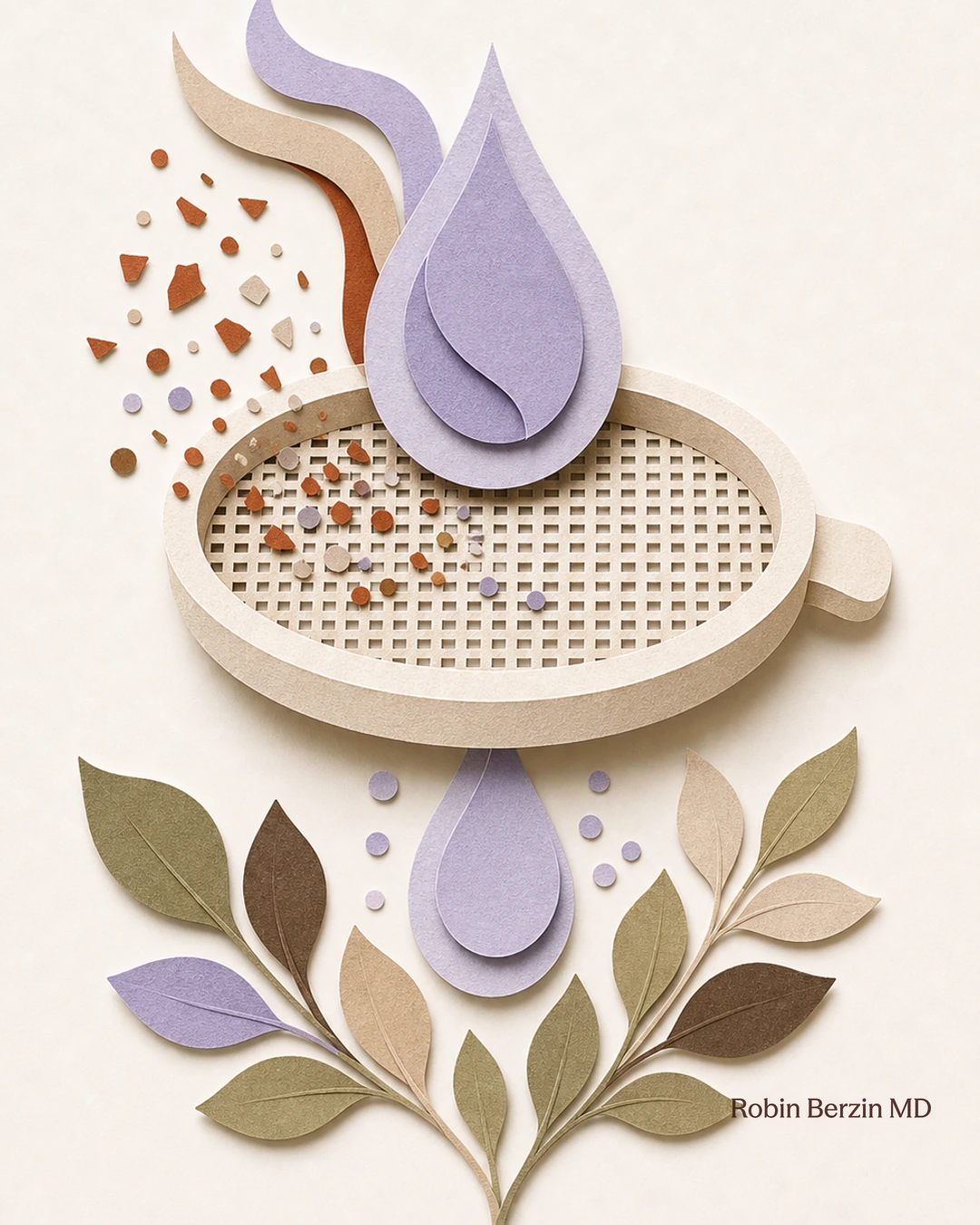
Concerned enough to act, not to panic. Microplastics are now found throughout the body, and you can meaningfully cut exposure: filter your water, never heat food in plastic, and choose glass or stainless steel over plastic containers.
Are seed oils actually bad for you?
The picture is more nuanced than the headlines. The bigger issue is that seed oils are a marker of ultra-processed food, which drives most diet-related disease. Whole-food eating naturally lowers seed-oil intake without fearing every ingredient.
How much protein do women actually need?
Most women under-eat protein. Roughly 1.2–2.0 g per kg of body weight supports muscle, metabolism, and satiety — toward the higher end in perimenopause and with strength training. Aim for about 30g of high-quality protein per meal.
What are the signs of mold or mycotoxin illness?
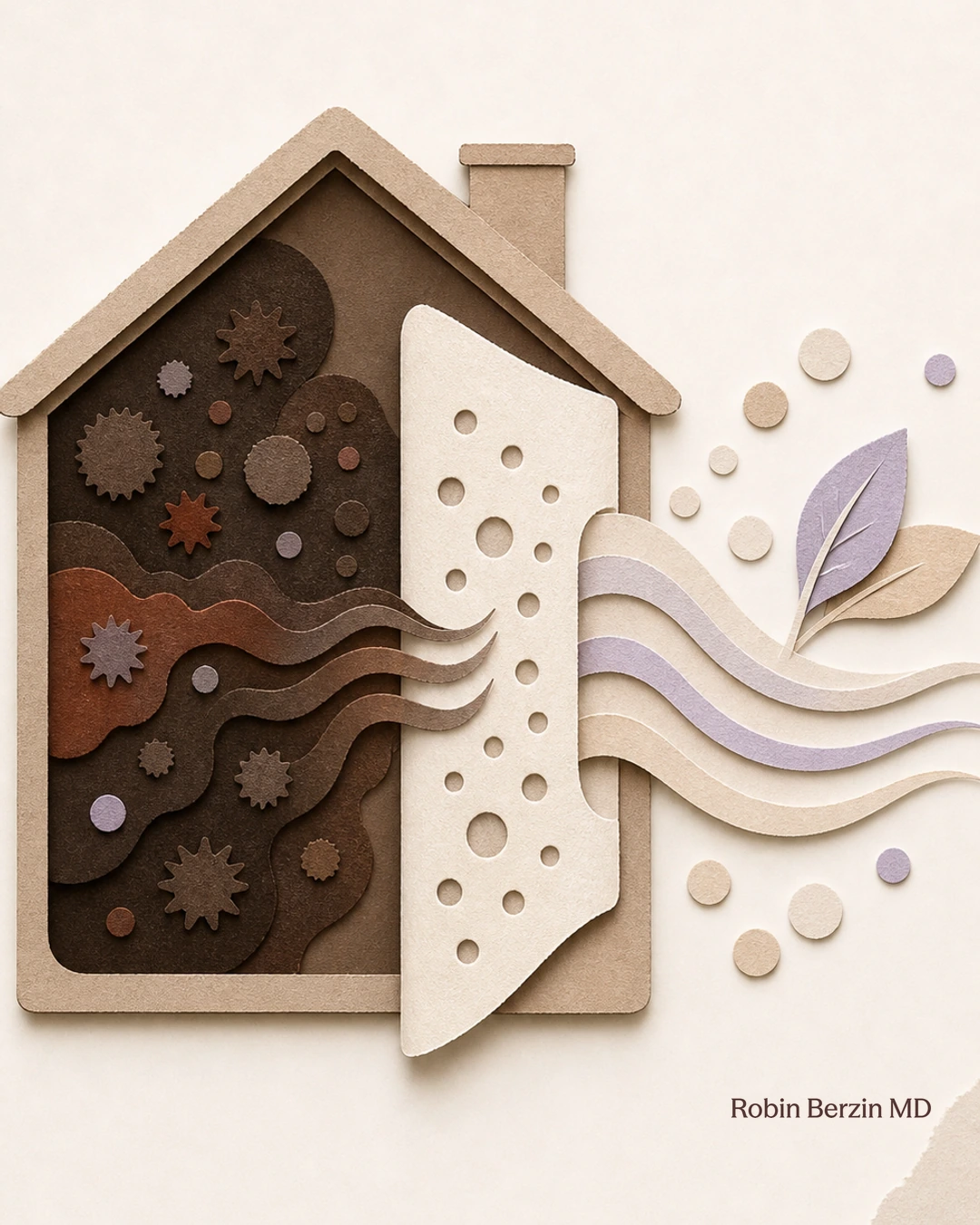
Mold exposure can cause fatigue, brain fog, sinus and respiratory issues, headaches, and unexplained inflammation. It's frequently missed; if symptoms track with a water-damaged building, it's worth investigating your environment and testing.
Do I actually need supplements, or just food?
Food first — but modern soil, diets, and absorption gaps make a few supplements genuinely useful for many women, commonly vitamin D, omega-3s, magnesium, and B12. Test where you can rather than guessing.
Everything on Toxins, Nutrition & Modern Exposures
 Email to unlockToxins, Nutrition & Modern Exposures
Is Gluten the Missing Link in Autoimmune Disease?
 Toxins, Nutrition & Modern Exposures
Hemorrhoids Aren’t the Problem. Your Gut Is.
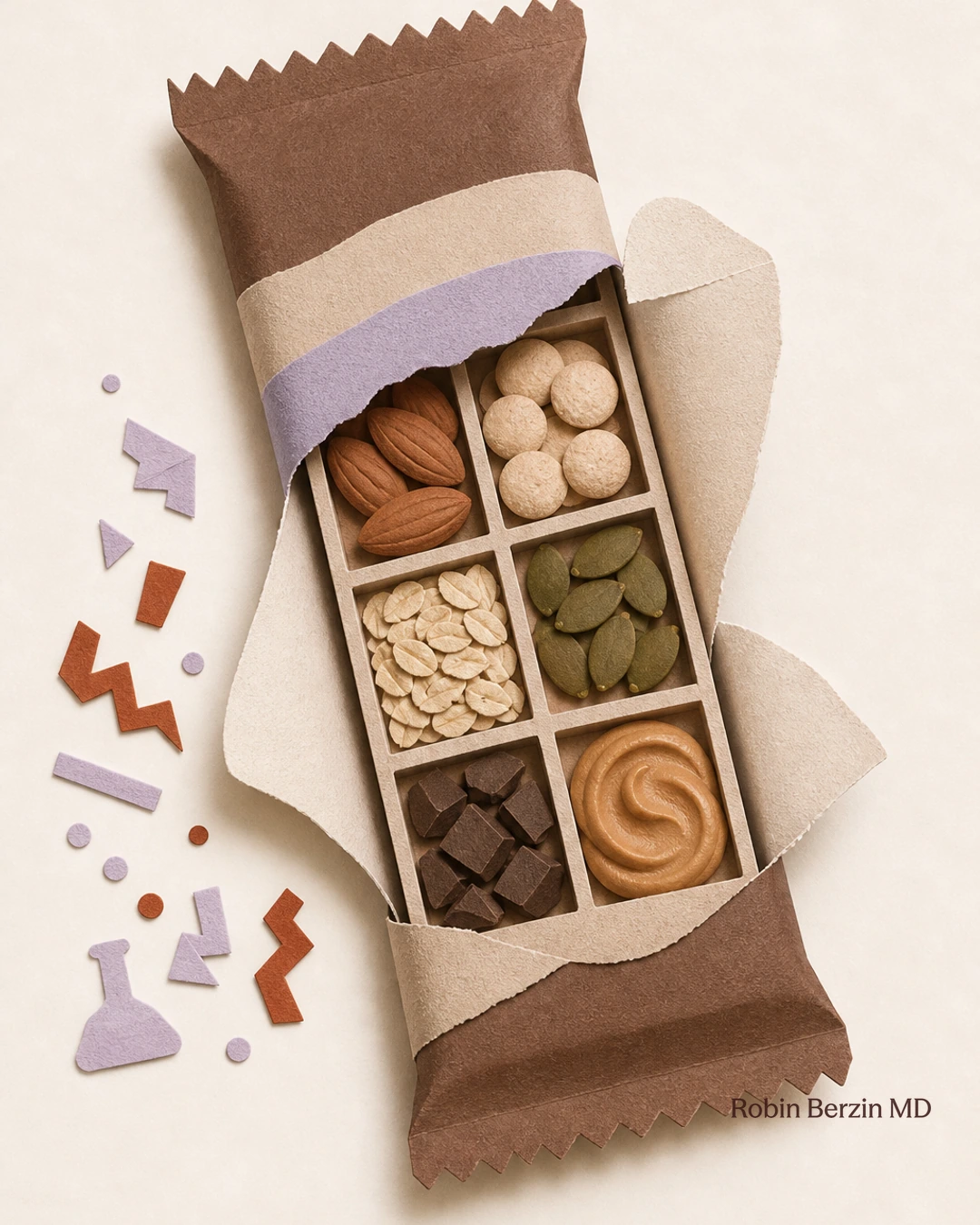 Toxins, Nutrition & Modern Exposures
How to Pick a Protein Bar That’s Actually Healthy
 Toxins, Nutrition & Modern Exposures
Is “fibermaxxing” the key to slowing aging?
 Email to unlockToxins, Nutrition & Modern Exposures
My personal supplement stack.
 Toxins, Nutrition & Modern Exposures
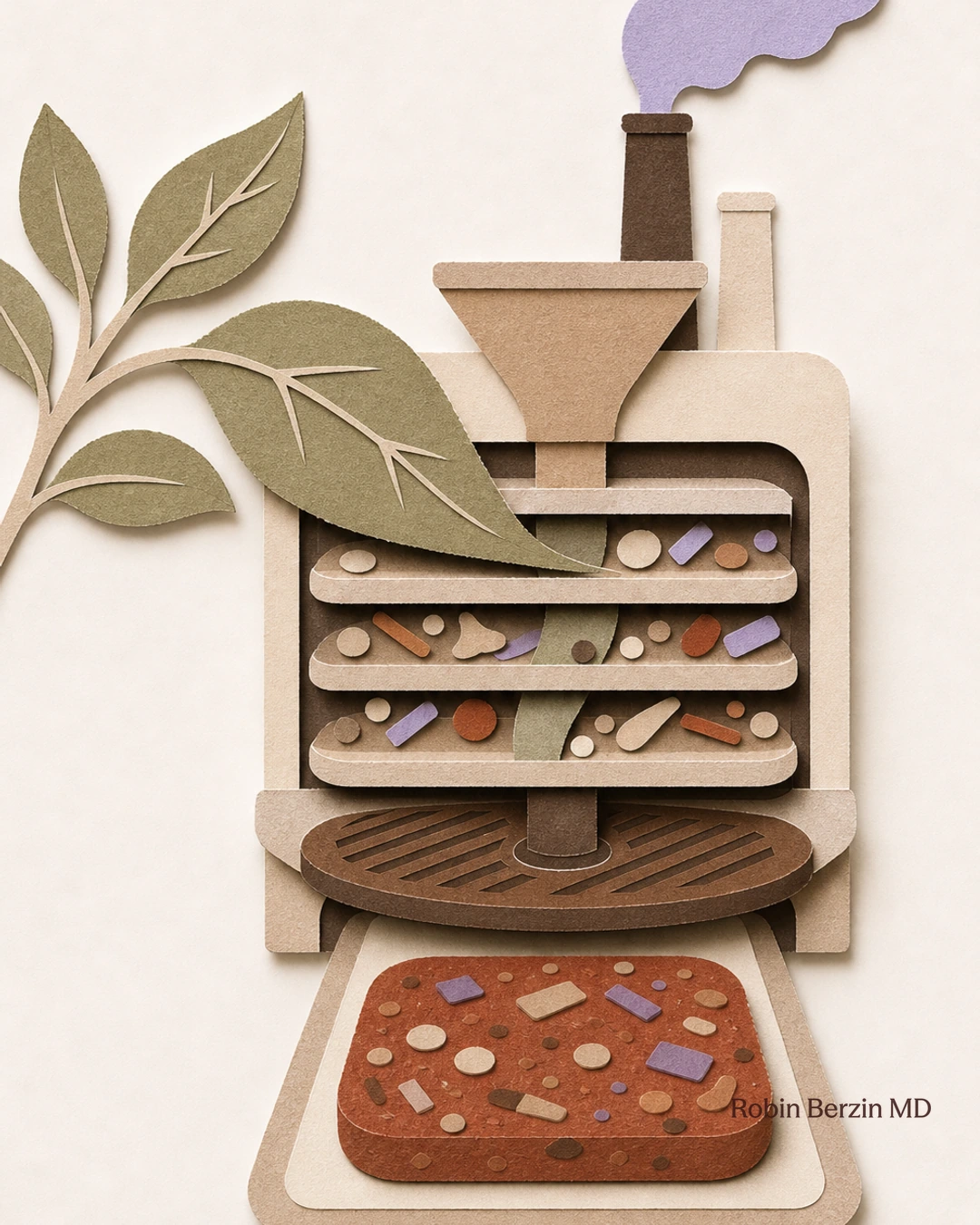
Are plant-based meats just ultraprocessed food in disguise?
 Toxins, Nutrition & Modern Exposures
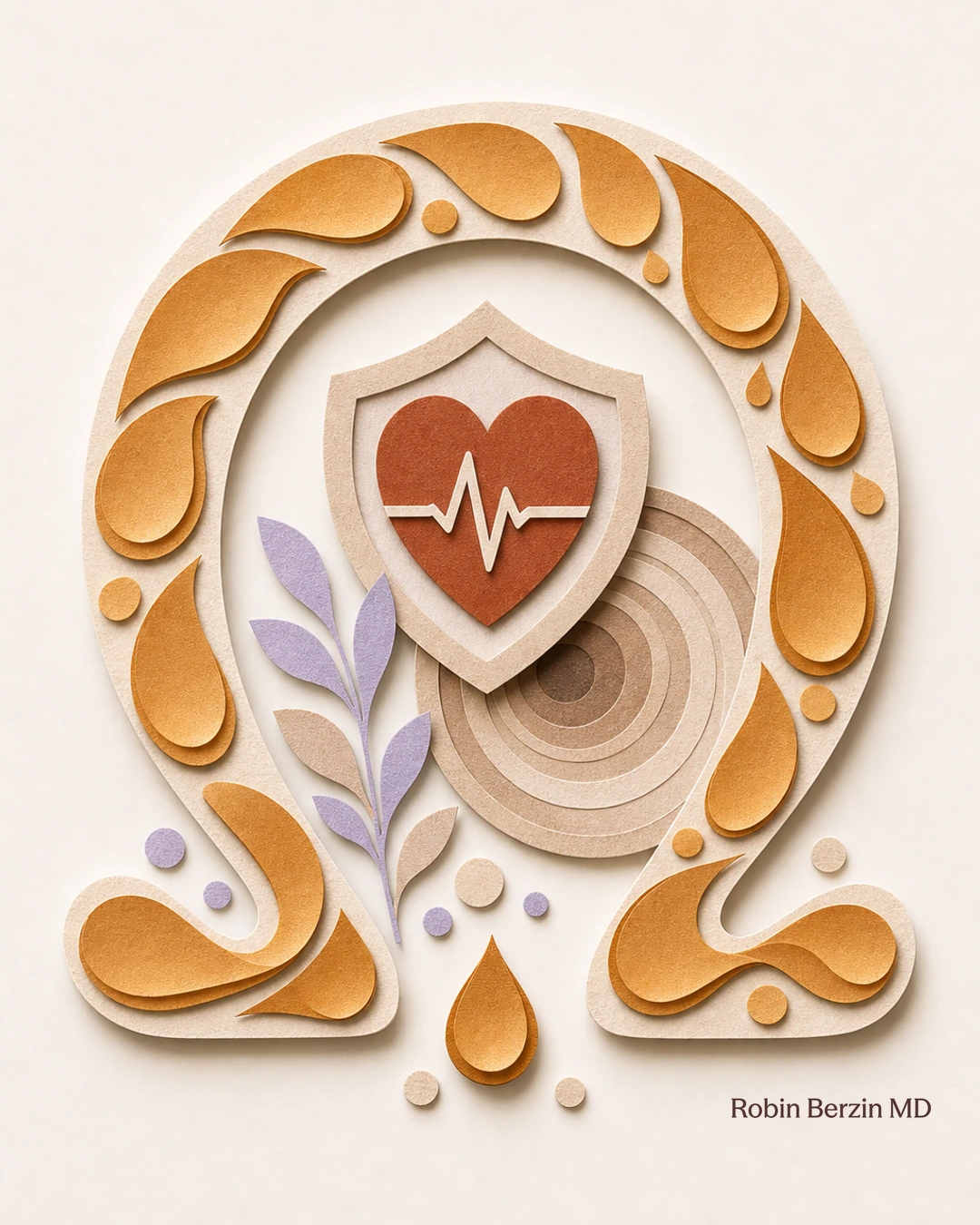
Omega-3 deficiency is as harmful as smoking
 Toxins, Nutrition & Modern Exposures
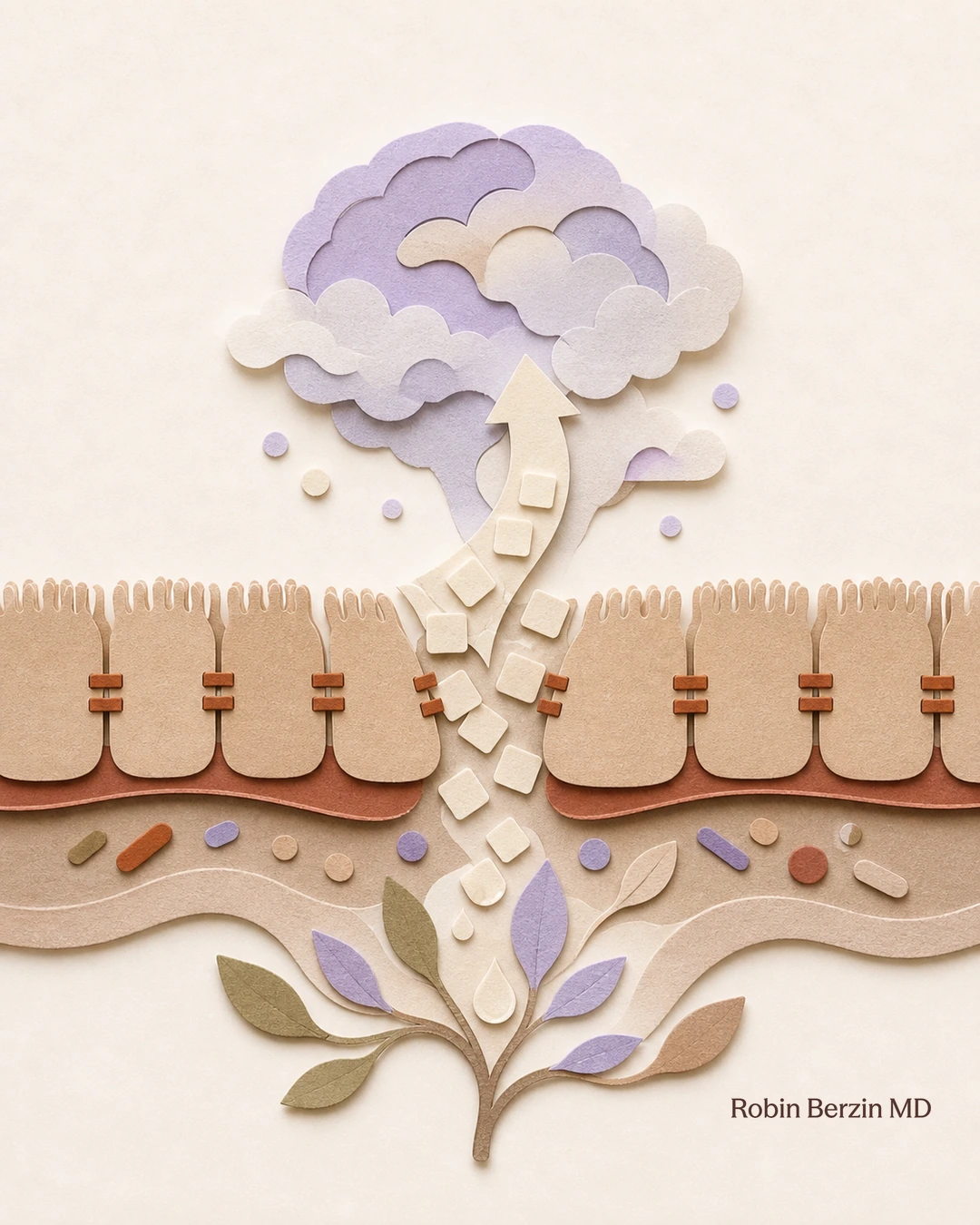
Bloating and brain fog? You’re probably low in butyrate.
 Toxins, Nutrition & Modern Exposures
My personal Thanksgiving menu
 Toxins, Nutrition & Modern Exposures
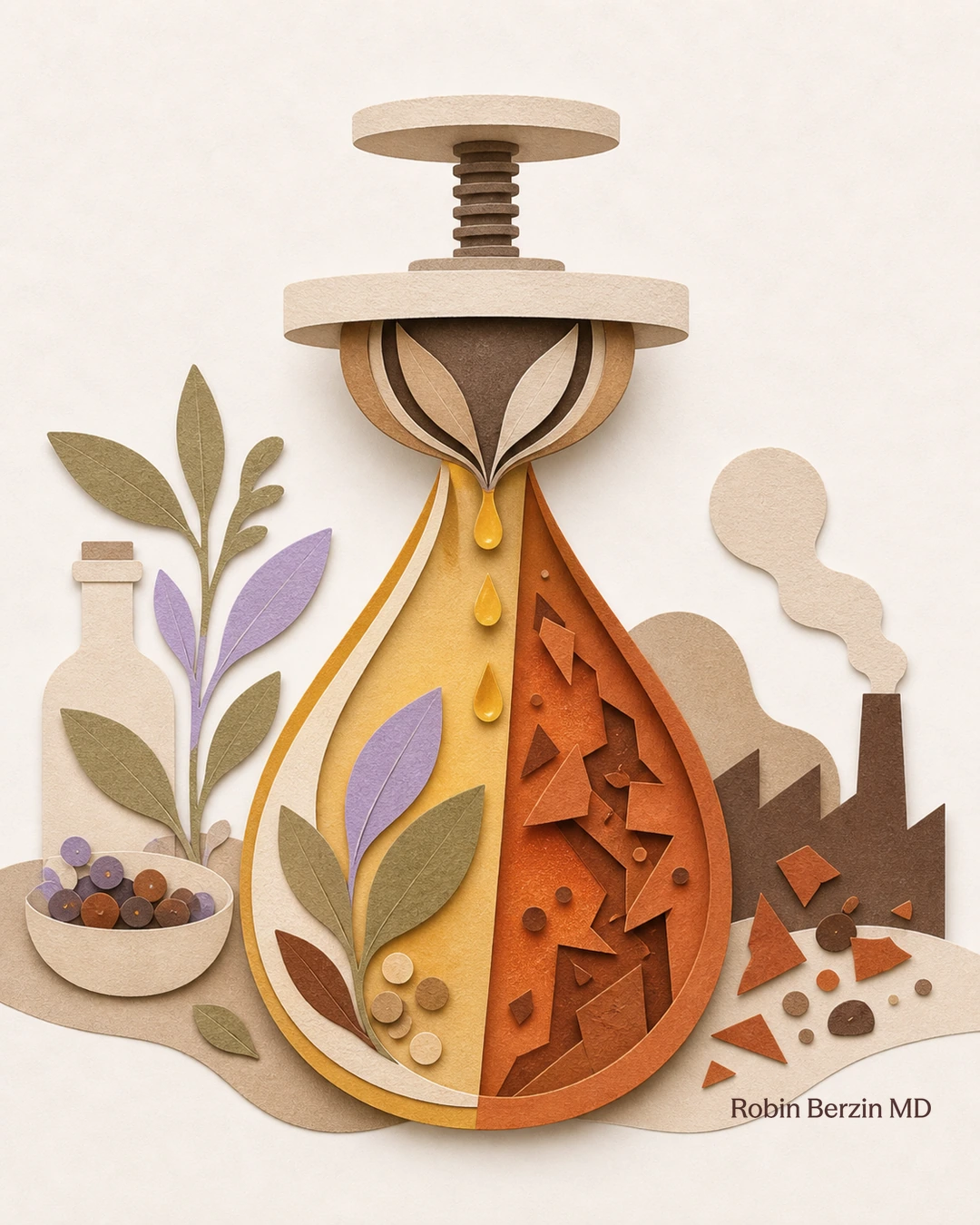
Are seed oils toxic to your health?
 Toxins, Nutrition & Modern Exposures
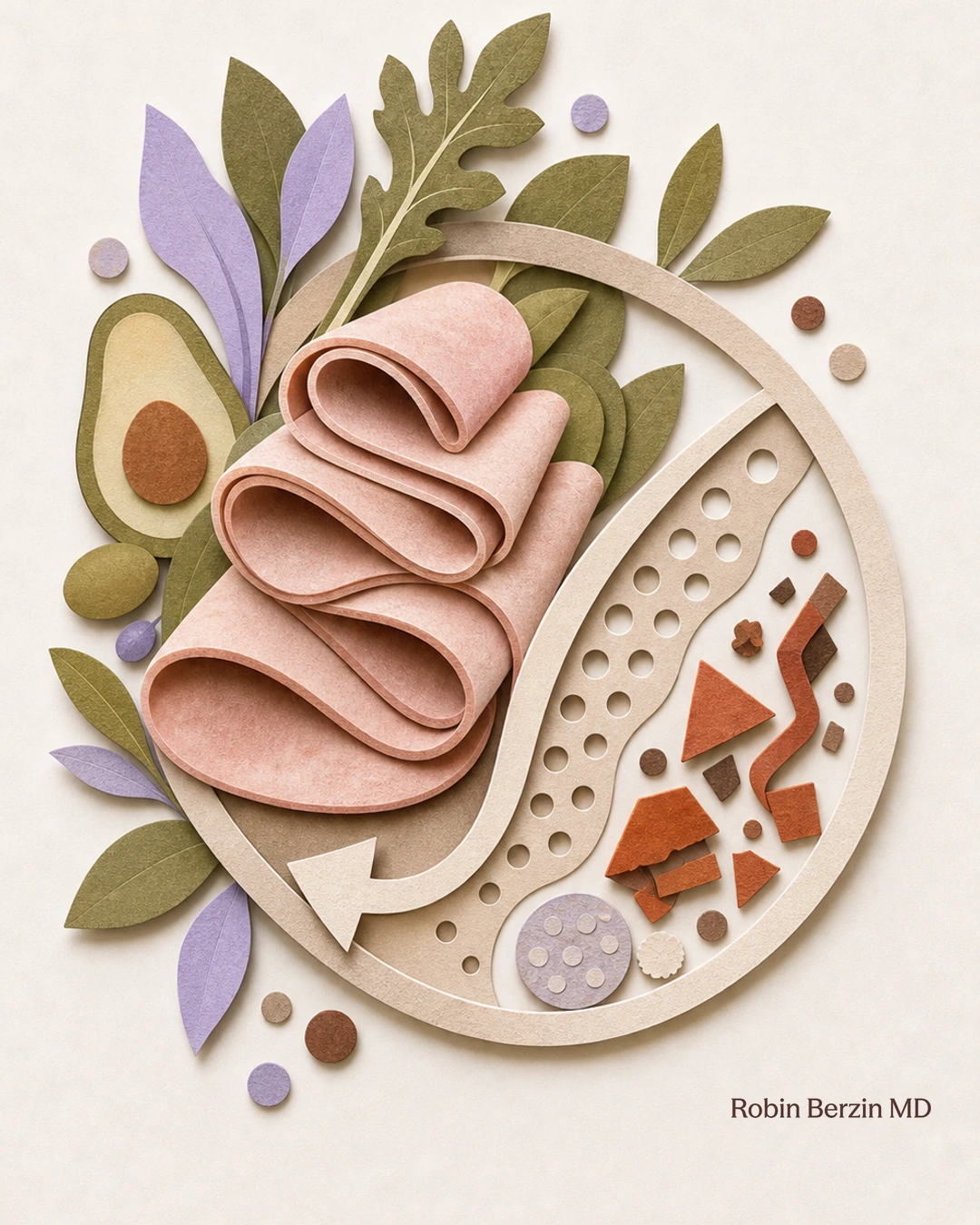
Is Deli Meat Processed? A Doctor’s Guide to Healthier Picks
 Toxins, Nutrition & Modern Exposures
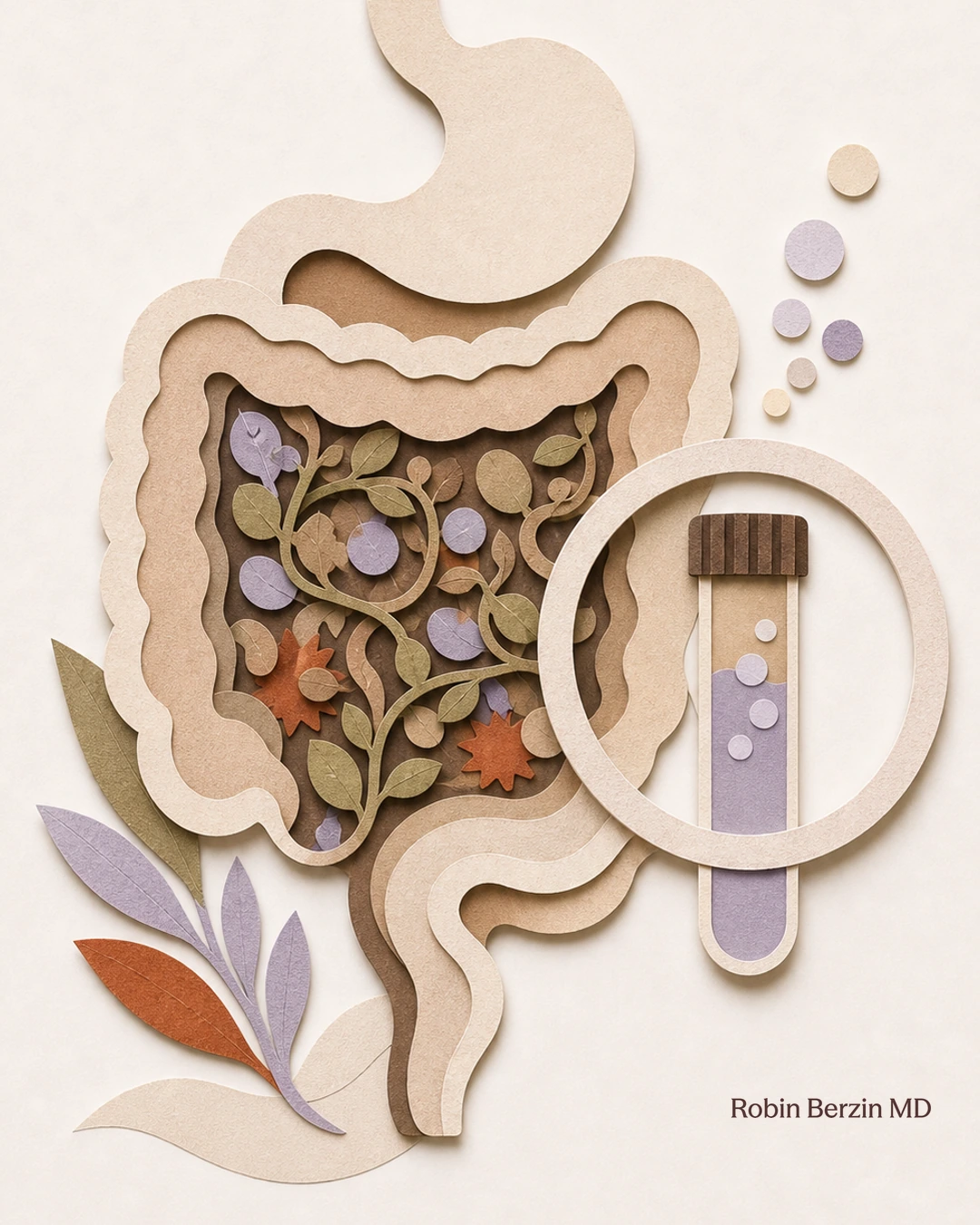
Should you get a SIBO test?
 Toxins, Nutrition & Modern Exposures
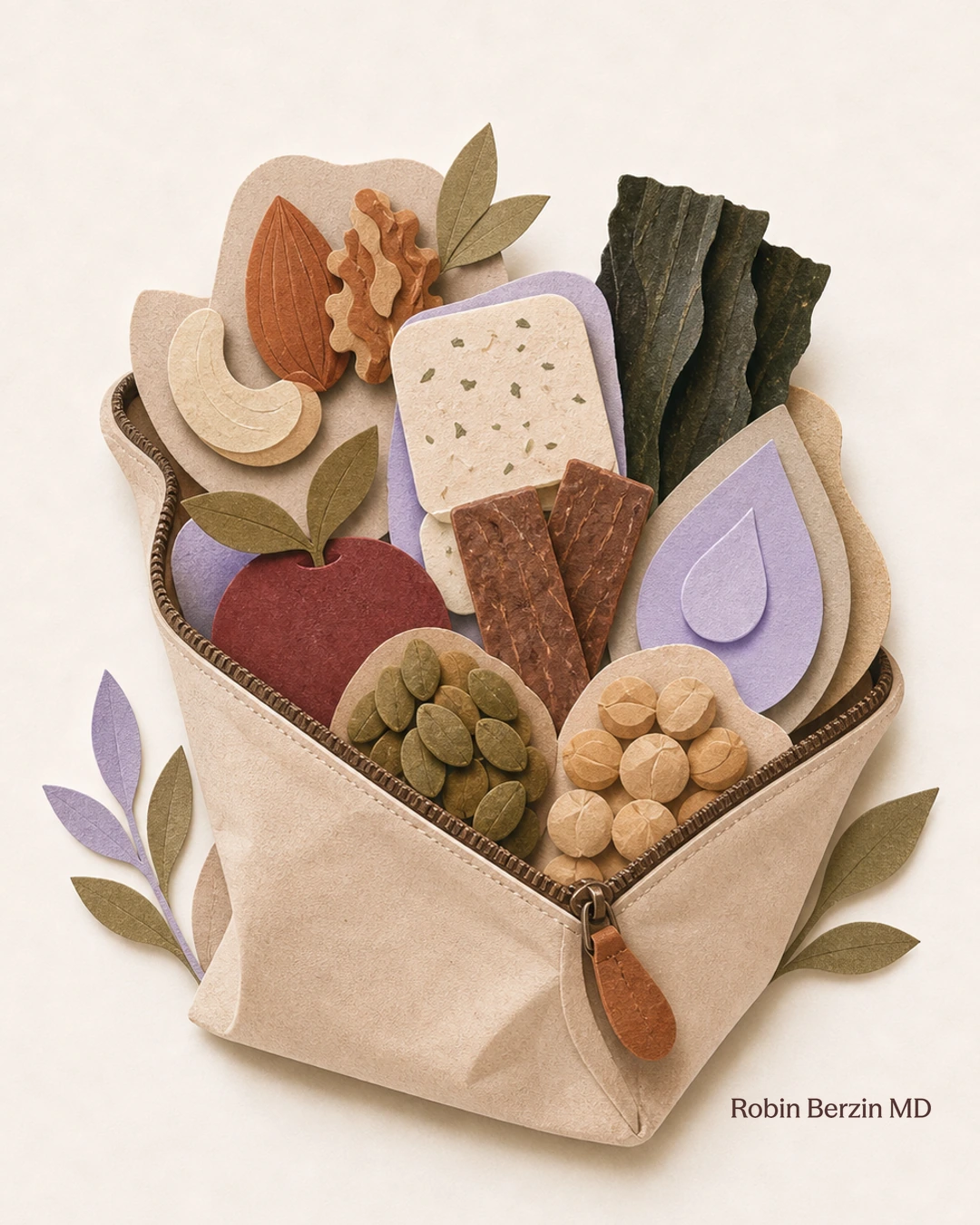
10 nutrient-dense snacks I pack on-the-go
 Toxins, Nutrition & Modern Exposures
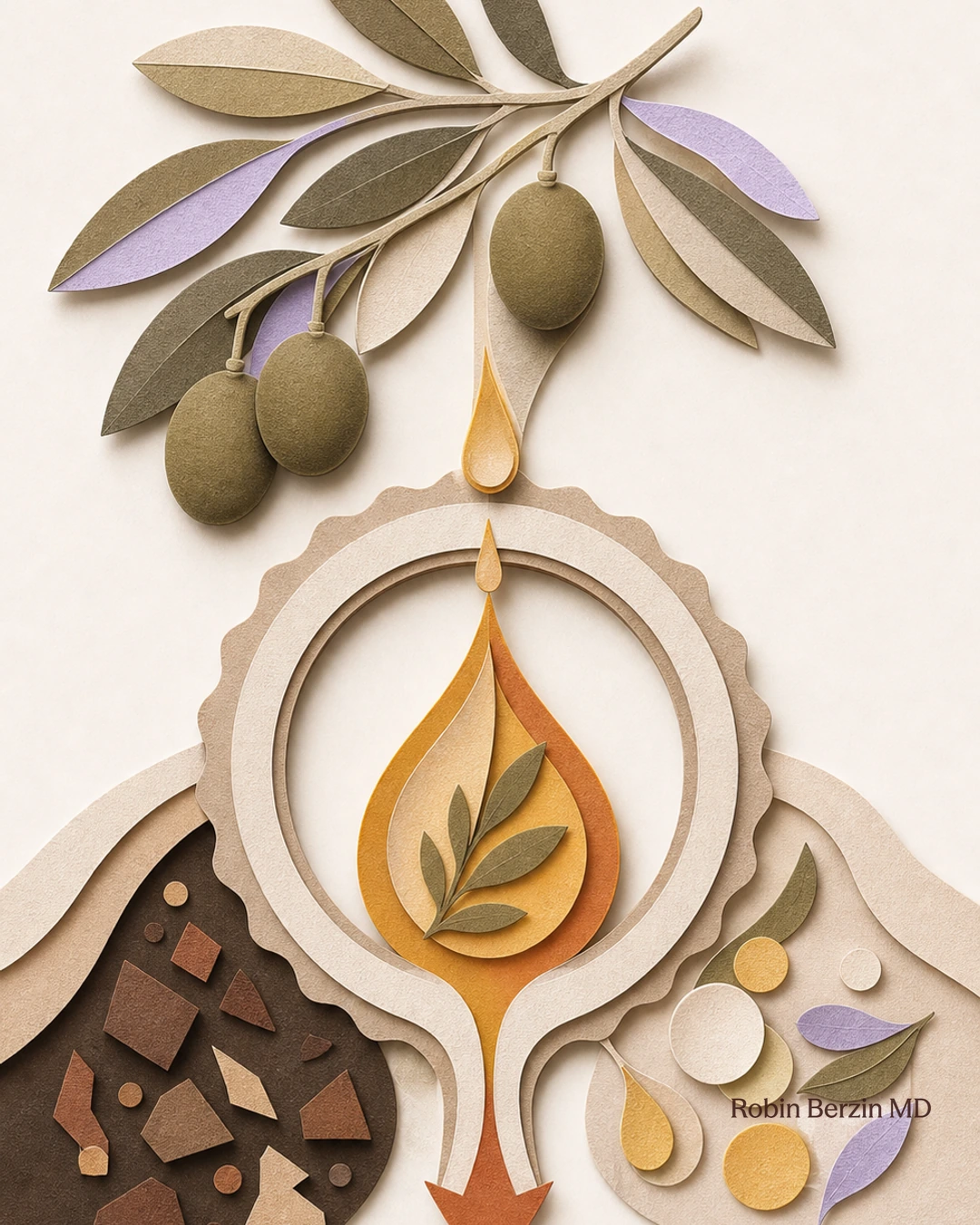
Are you using the right EVOO?
 Toxins, Nutrition & Modern Exposures
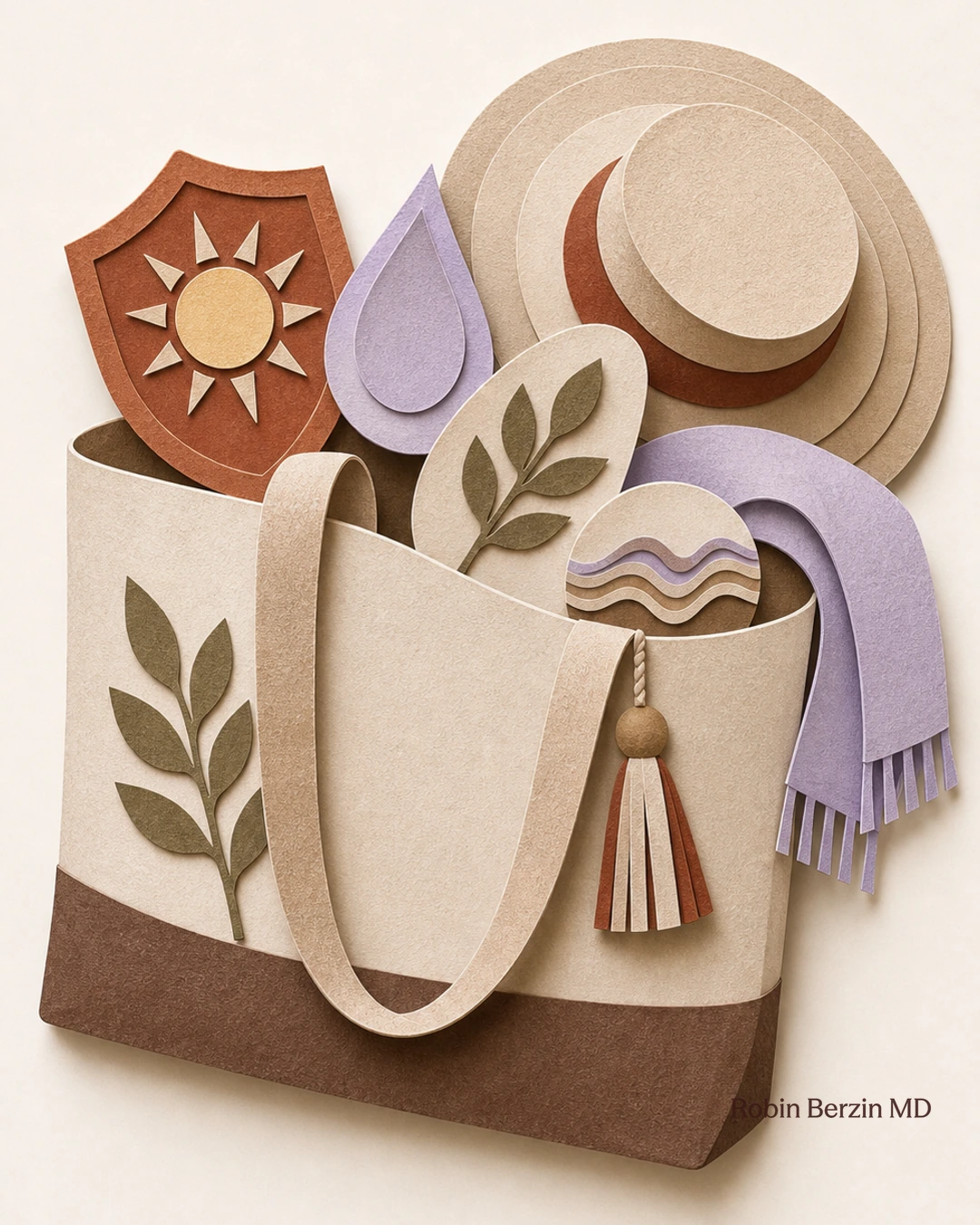
5 Summer Essentials I Can’t Live Without
 Toxins, Nutrition & Modern Exposures
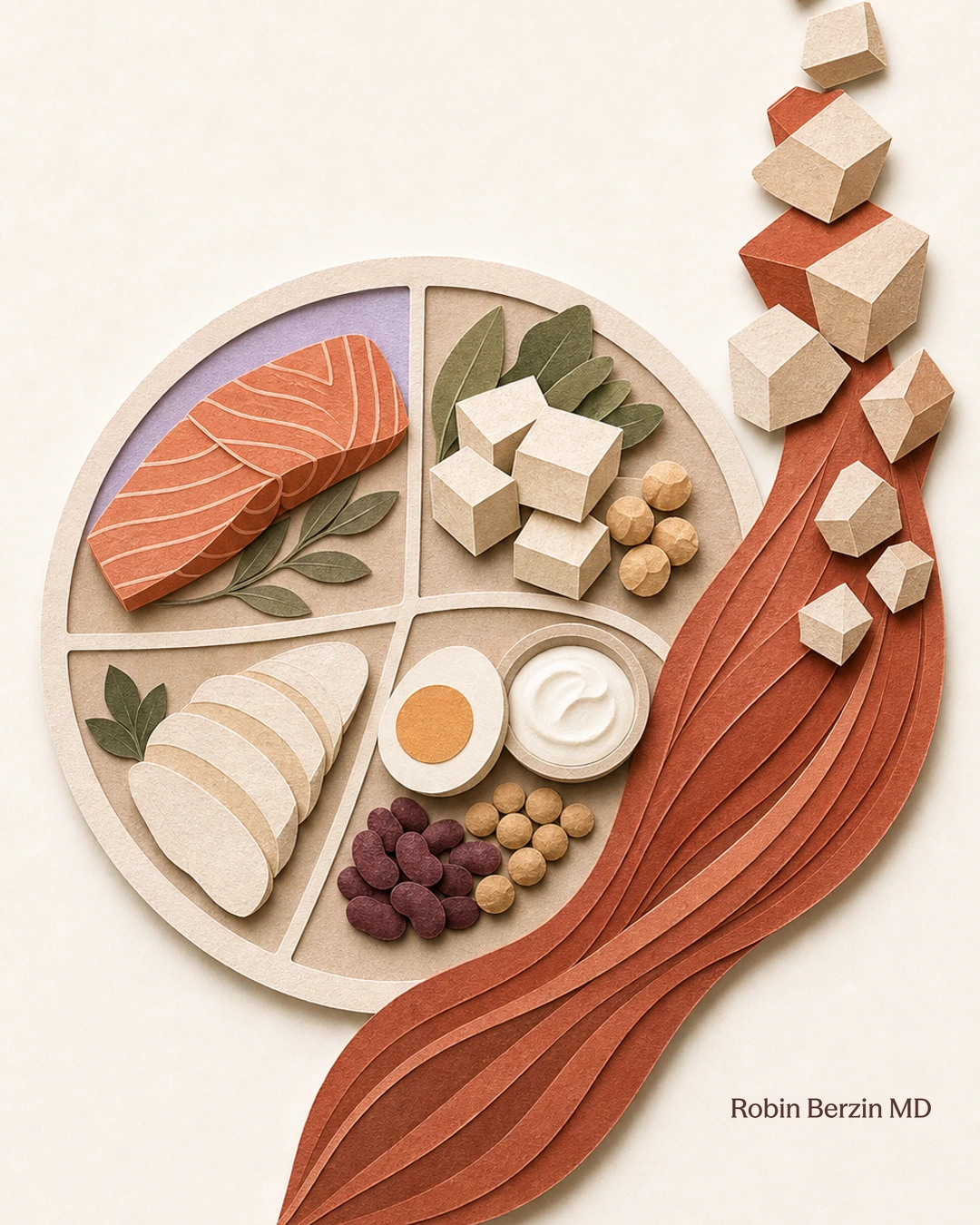
How Much Protein Should You Really Be Eating?
 Toxins, Nutrition & Modern Exposures