
Brain, Mood & Nervous System
Where mental health meets metabolism — protecting mood, focus, and the aging brain.
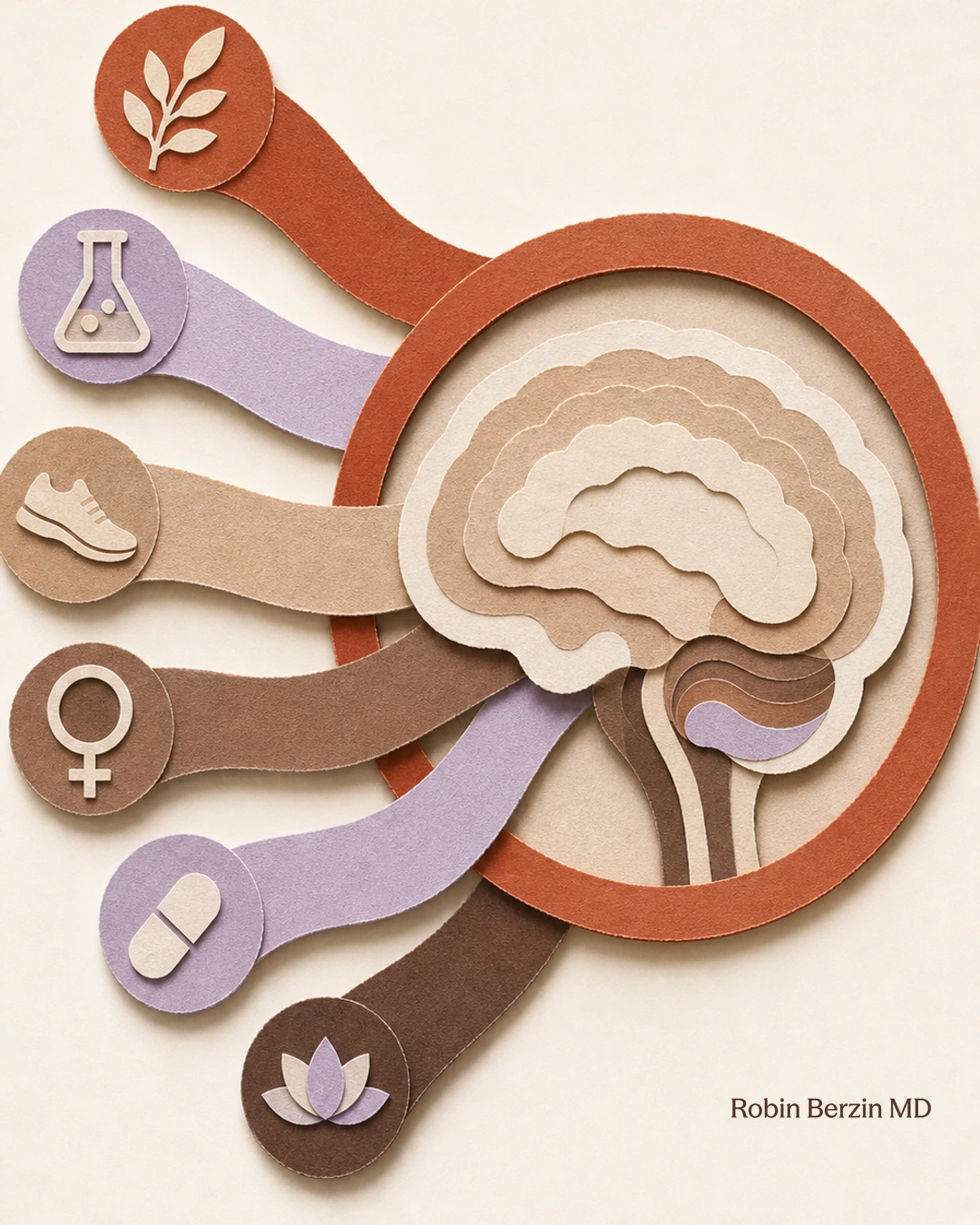
Your brain isn't separate from your body. Mood, focus, and resilience are downstream of physical inputs — blood sugar, inflammation, sleep, hormones, and the state of your nervous system. That's the core of Robin's State Change framework: to change how you feel, start with the biology underneath.
This hub explores the two-way street between brain and body: how metabolic dysfunction shows up as anxiety and brain fog, how the vagus nerve governs your stress response, and what genuinely protects cognition as you age. The goal is practical neuroscience — levers you can pull today, not just a diagnosis.
Brain, Mood & Nervous System, answered
Can blood sugar affect anxiety and mood?
Yes. Glucose swings trigger adrenaline and cortisol, which can feel like anxiety, irritability, or panic. Stabilizing blood sugar — with protein, fiber, and fewer refined carbs — is one of the most underrated mental-health interventions.
What is the vagus nerve and why does it matter?
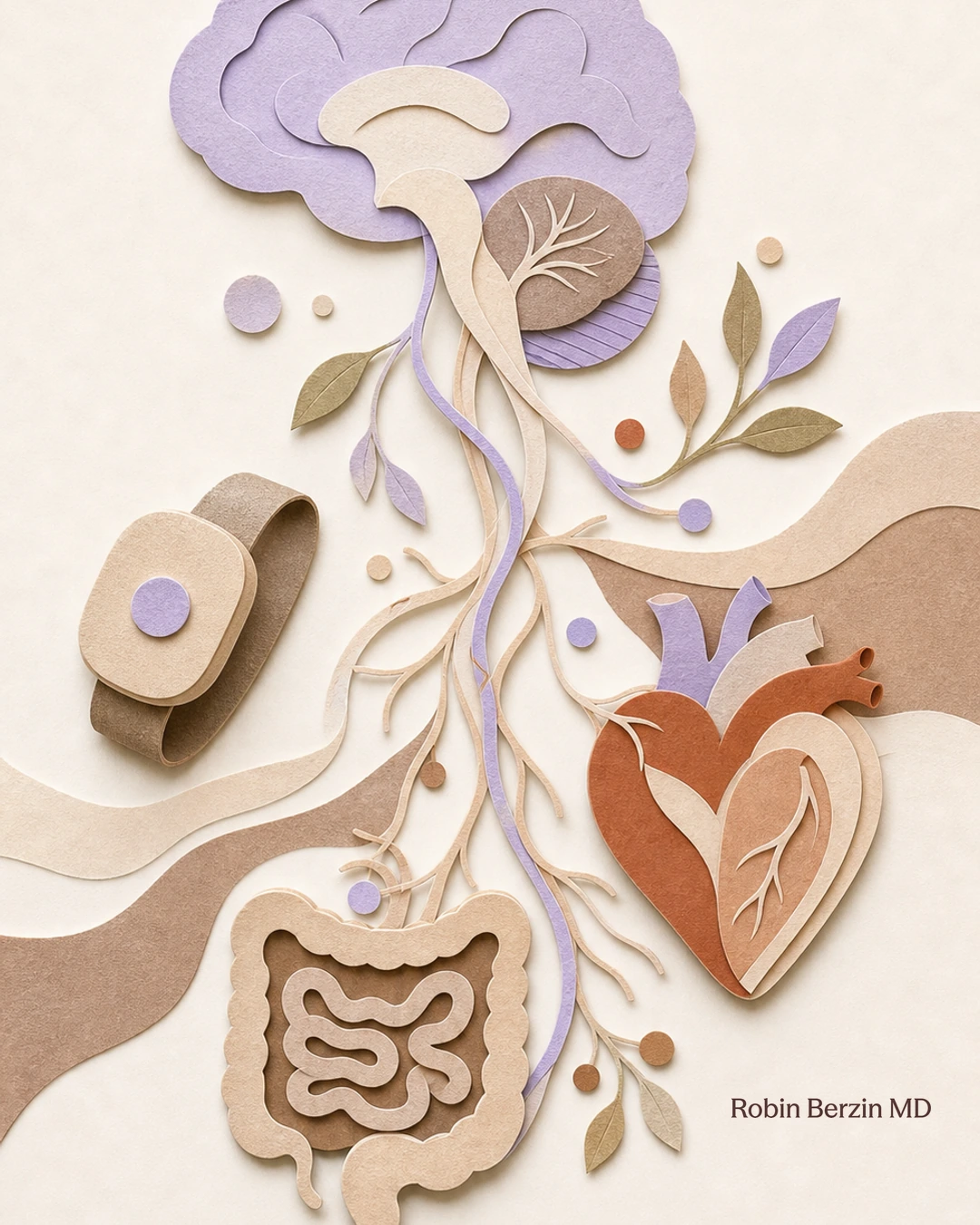
The vagus nerve is the main highway of your parasympathetic "rest and digest" system, linking brain and gut. Stimulating it — through slow breathing, cold exposure, humming, or movement — shifts you out of fight-or-flight and lowers stress reactivity.
How early does brain aging start, and can you slow it?
Subtle brain changes can begin in your 40s, decades before symptoms. The same levers that protect the heart — exercise, blood-sugar control, sleep, omega-3s, and managing blood pressure — are the best-evidenced ways to protect the brain.
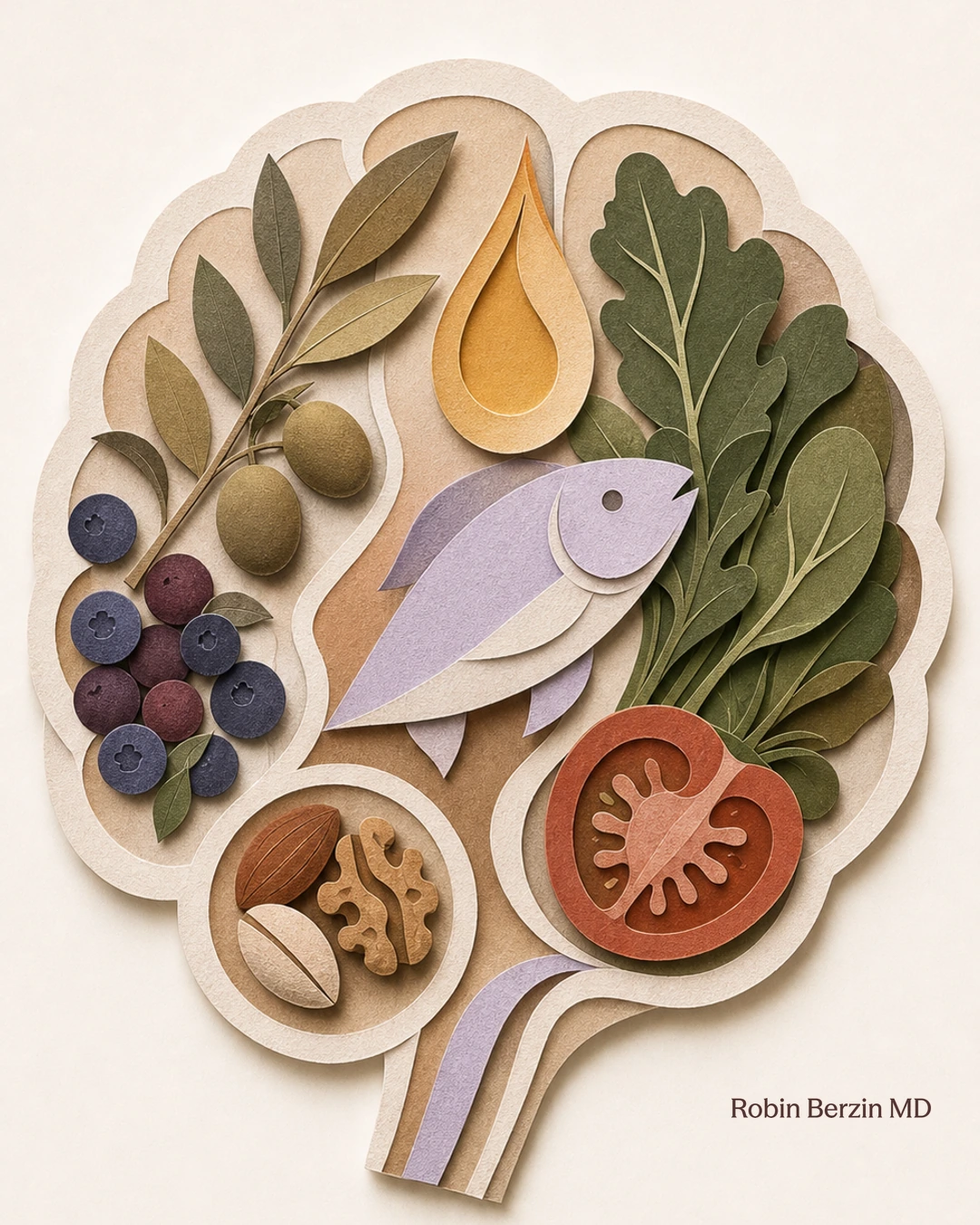
What's the best diet for brain health?
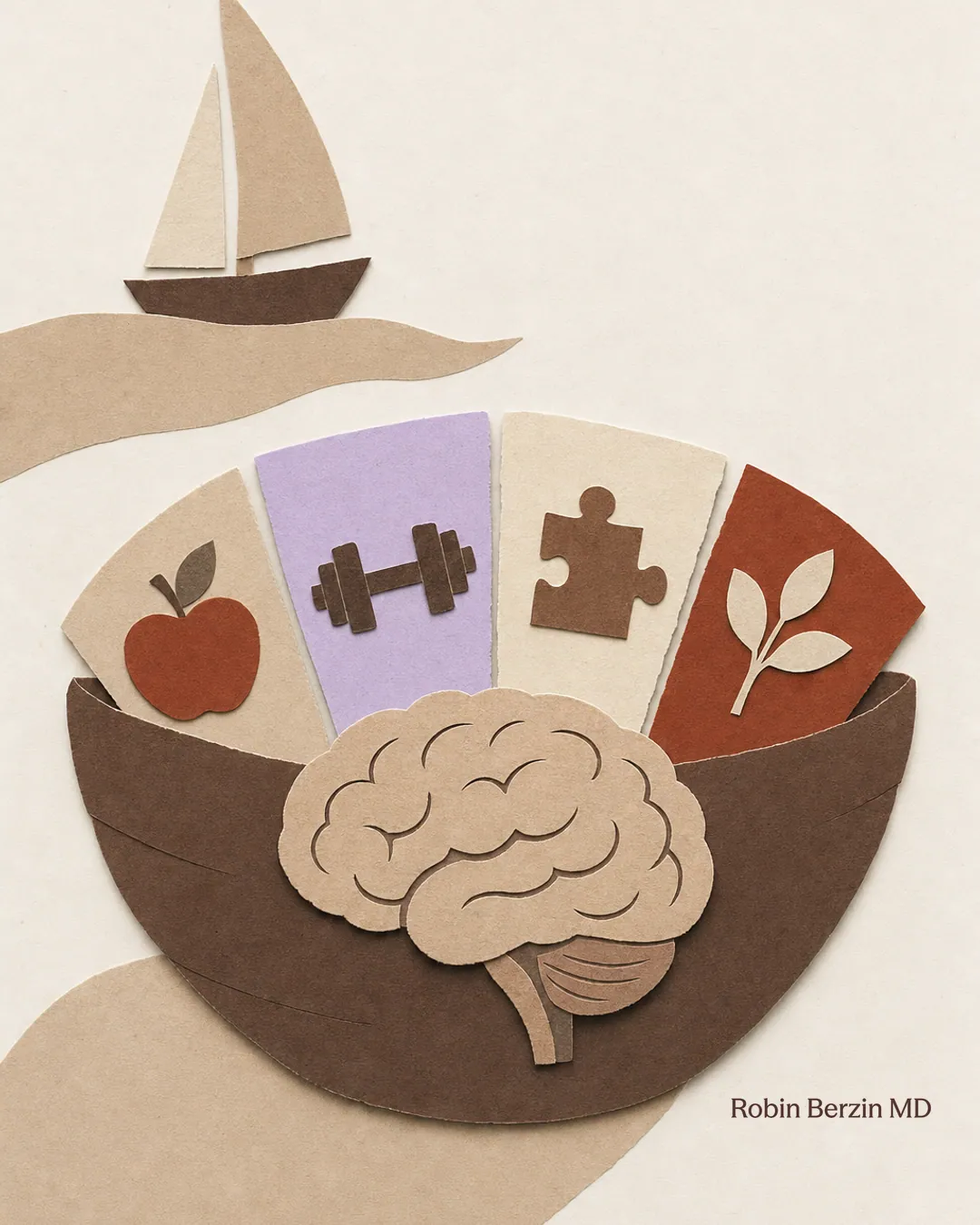
Patterns matter more than single foods. Mediterranean-style and MIND diets — rich in omega-3s, polyphenols, leafy greens, and protein, and low in ultra-processed food — have the strongest evidence for protecting mood and cognition.
Is the gut really connected to mental health?
Strongly. The gut produces neurotransmitters and signals the brain via the vagus nerve and immune system. Dysbiosis and inflammation are linked to depression and anxiety, which is why gut health is part of any root-cause mental-health plan.
Everything on Brain, Mood & Nervous System
 Brain, Mood & Nervous System
HRT Won't Prevent Your Alzheimer's. Here's What Might.
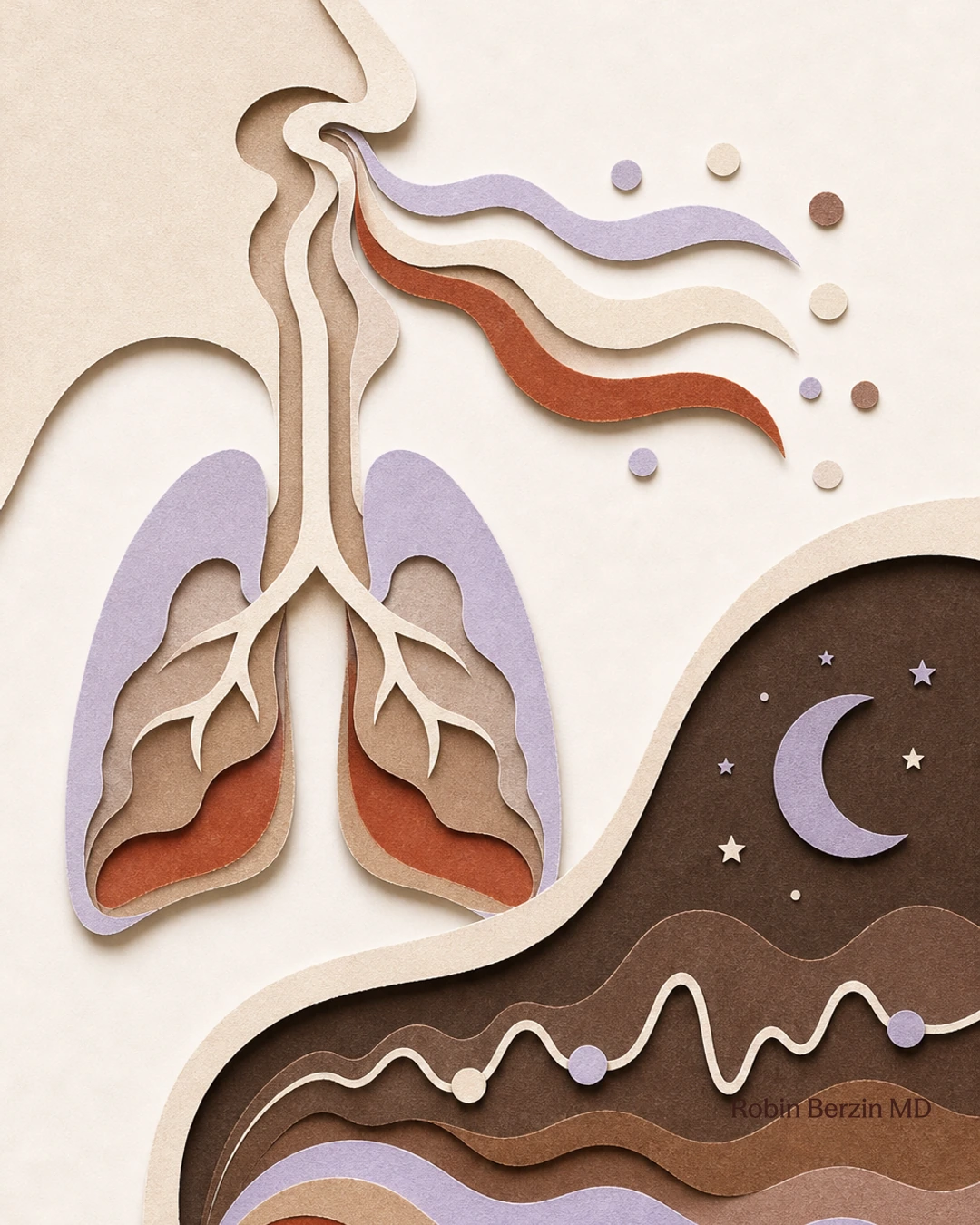 Brain, Mood & Nervous System
The breathing habit that will transform your health overnight.
 Brain, Mood & Nervous System
Plant medicine can be a tool, but it’s not a cure.
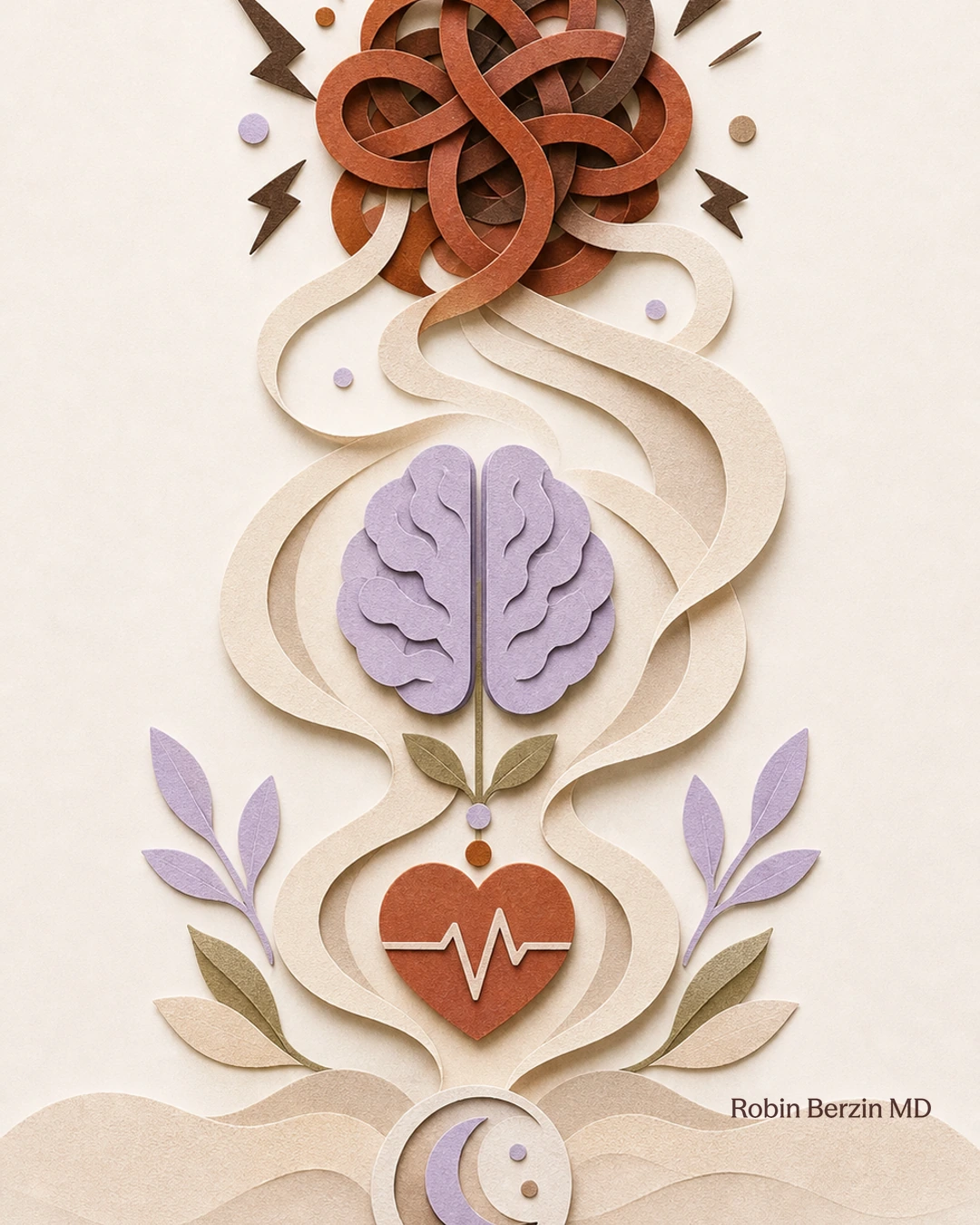 Brain, Mood & Nervous System
How to reduce stress in 15-minutes
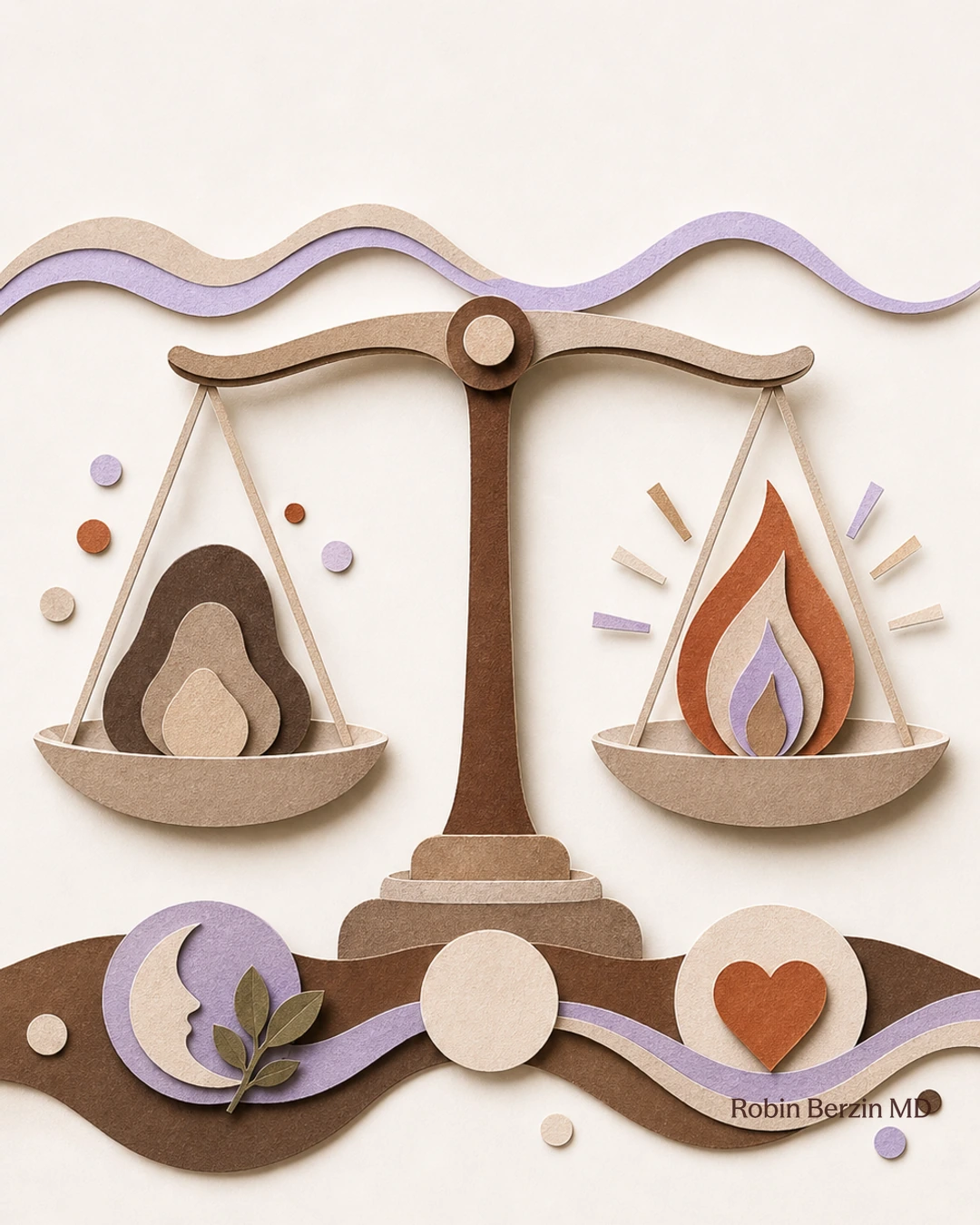 Brain, Mood & Nervous System
How to balance cortisol levels to increase energy and lose weight
 Brain, Mood & Nervous System
The best diet for brain health?
 Brain, Mood & Nervous System