
Women’s Health & Hormones
Hormones, perimenopause, and the labs every woman should actually be tracking.
Women's health has been chronically under-studied and under-treated — most research was done in men, and symptoms like fatigue, brain fog, and disrupted sleep are still too often dismissed as "normal." Functional medicine takes a different stance: these symptoms are signals, usually traceable to hormones, metabolism, and nutrient status that standard care never measures.
This hub covers the hormonal arc of a woman's life — from optimizing cycles and fertility, through the turbulence of perimenopause, into the longevity window of menopause and beyond. It also covers the diagnostics that make the invisible visible: the estrogen, thyroid, iron, and metabolic markers that explain how you actually feel.
Women’s Health & Hormones, answered
When does perimenopause start?
Perimenopause usually begins in the early-to-mid 40s but can start in the late 30s. It's the 4–10 year transition before menopause, when hormones fluctuate widely — often causing symptoms years before periods actually stop.
Is hormone therapy safe?
For most healthy women who start within about 10 years of menopause, current evidence supports that the benefits of hormone therapy — for symptoms, bone, and possibly brain and heart — outweigh the risks. The right choice is individual and worth discussing with a clinician.
Why are my labs "normal" but I still feel exhausted?
Standard reference ranges are wide and built around disease thresholds, not optimal function. Fatigue often traces to low-normal ferritin, suboptimal thyroid, low vitamin D or B12, or blood-sugar swings — all easy to miss on a basic panel.
Can estrogen support longevity?
Estrogen does more than regulate cycles — it supports bone, brain, cardiovascular, and metabolic health. Emerging research frames timely estrogen therapy as a potential longevity tool for women, not just a symptom treatment.
What labs should every woman track?
Beyond a basic panel: thyroid (TSH, free T3/T4, antibodies), ferritin, vitamin D, B12, fasting insulin and glucose, a lipid panel with ApoB, hs-CRP, and sex hormones timed to your cycle or menopausal status.
Everything on Women’s Health & Hormones
 Women’s Health & Hormones
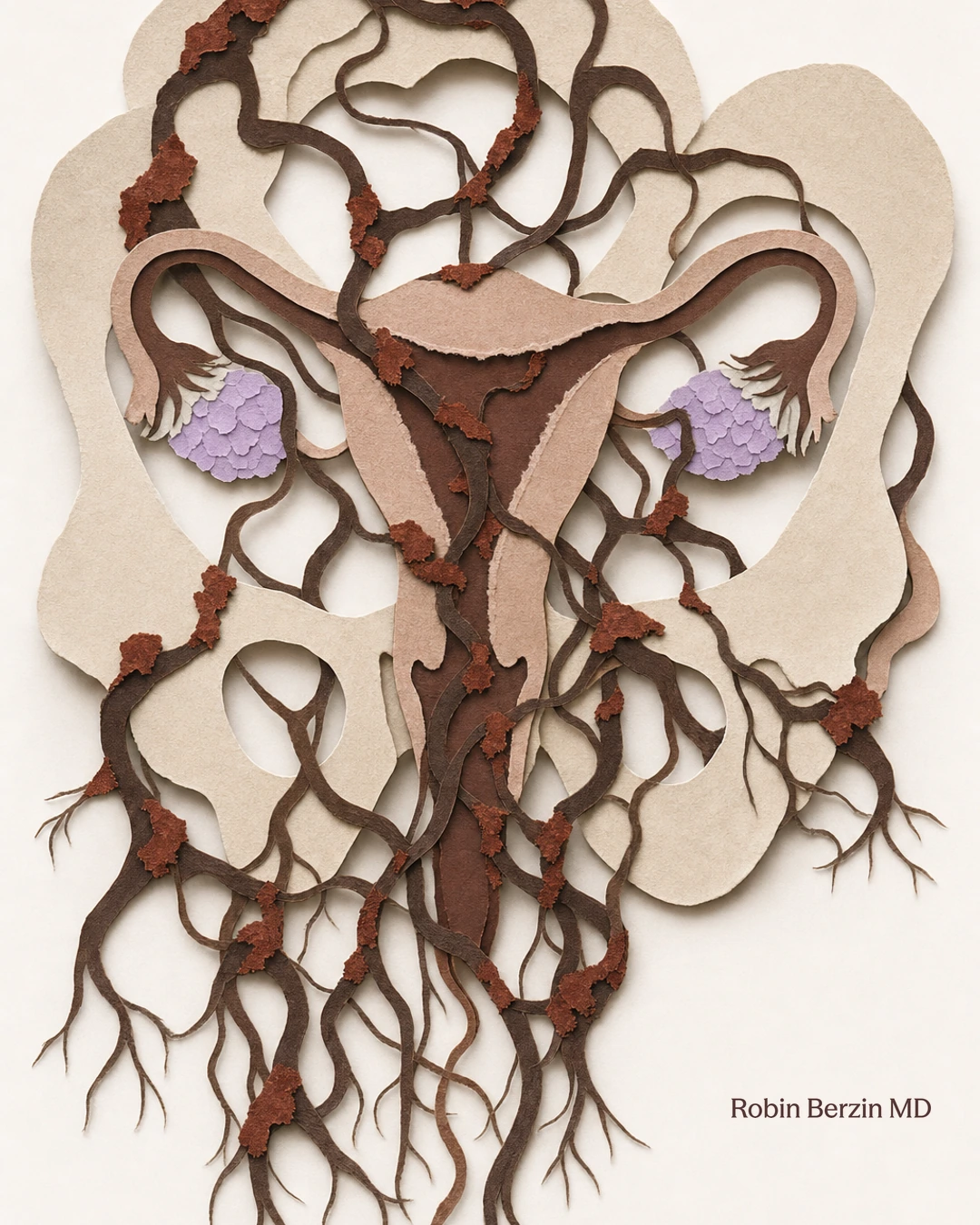
Why Is Everyone Suddenly Talking About Endometriosis?
 Women’s Health & Hormones
Vaginal Estrogen: Prevention, Not Last Resort
 Women’s Health & Hormones
GLP-1s and Libido: What the Research Shows
 Women’s Health & Hormones
Normal Labs but Still Tired? 7 Root Causes
 Women’s Health & Hormones
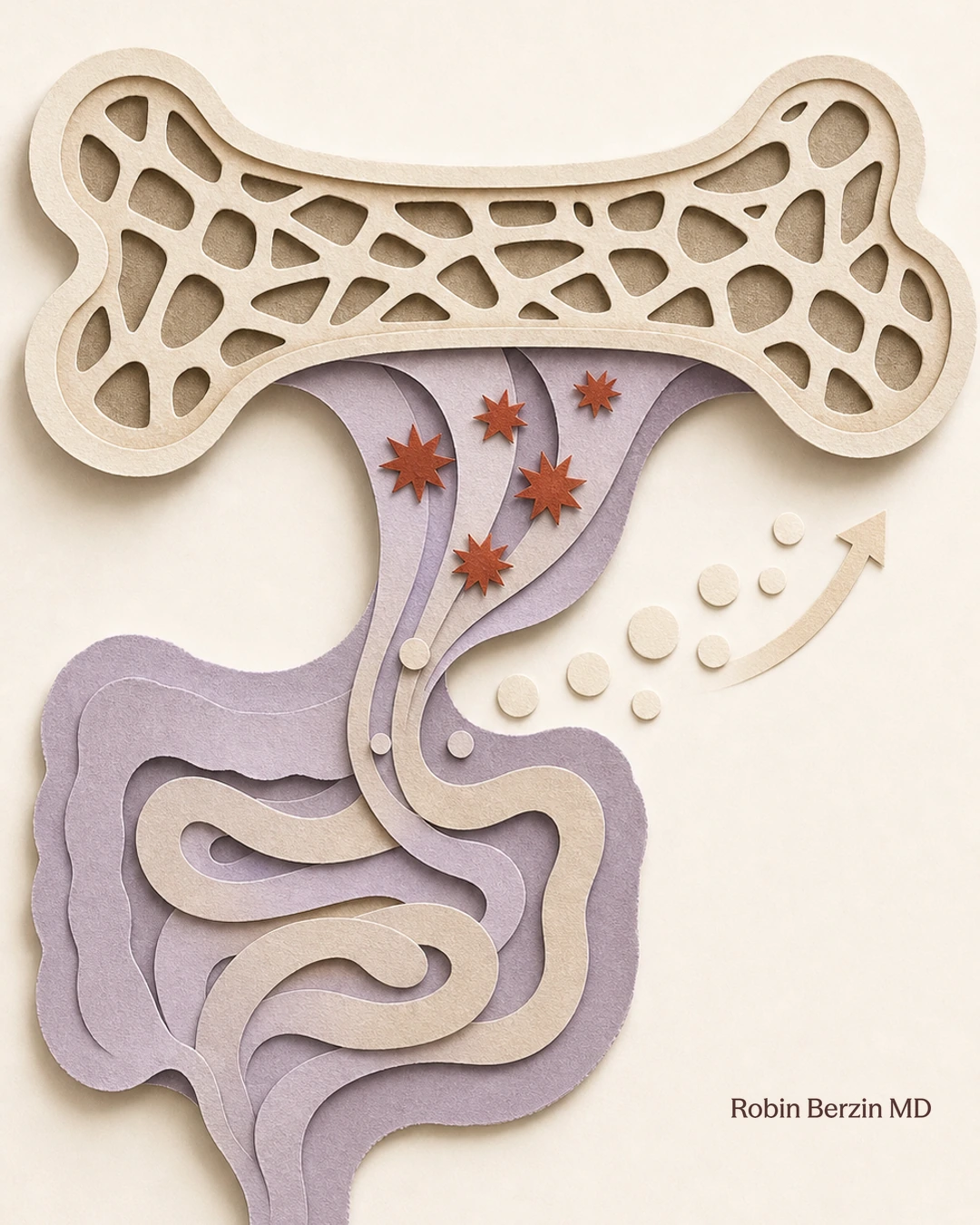
Bone Loss, Inflammation & Gut Health: The Missing Link
 Women’s Health & Hormones
ADHD in Women: How Hormones Affect Focus and Diagnosis
 Women’s Health & Hormones
Why GLP-1s Underperform Without Estrogen
 Women’s Health & Hormones
The Cortisol Reset Every Woman Needs
 Women’s Health & Hormones
Testosterone Therapy Is Trending—But Is It Right For You?
 Women’s Health & Hormones
4 fasting for women strategies to optimize longevity
 Women’s Health & Hormones
My inside/outside skincare protocol
 Women’s Health & Hormones
Your bone density blueprint
 Women’s Health & Hormones
Why everyone 30+ needs a DEXA scan
 Women’s Health & Hormones
Why so many women are using creatine (including me)
 Women’s Health & Hormones
My cervical cancer scare
 Fertility & Parenting
MTHFR mutations can cause anxiety, fatigue and fertility issues. You likely have one.
 Women’s Health & Hormones
What is your vaginal microbiome telling you?
 Women’s Health & Hormones
Brain, bones, booty: 3 things to take care of before you reach menopause.
 Women’s Health & Hormones
How to achieve optimal hormone balance, regardless of age
 Women’s Health & Hormones